

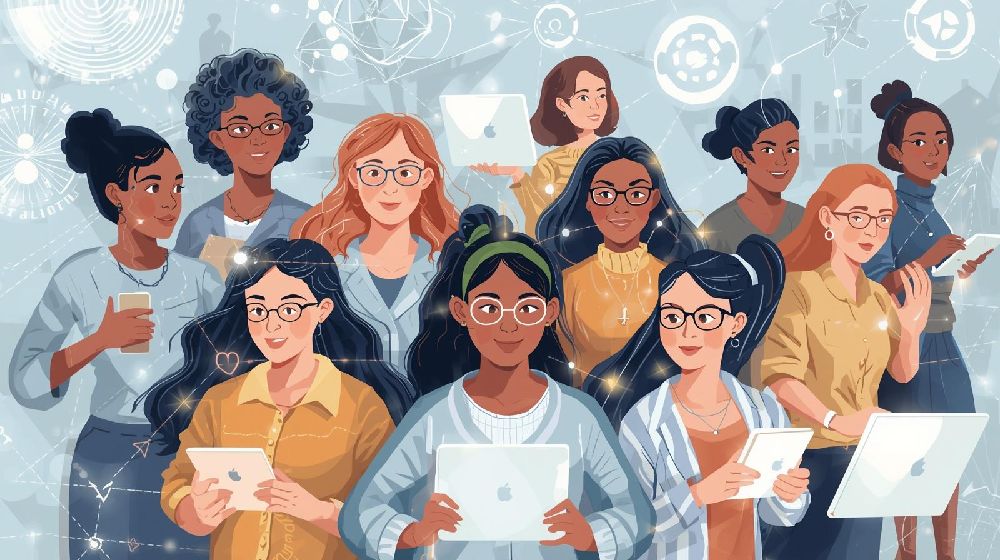
In a world increasingly driven by technology, digital literacy has become as essential as reading and writing. Yet, millions of women—especially in developing regions—still lack access to the digital skills they need to fully participate in today’s economy. Closing this gap is not just an educational goal; it is a social, economic, and moral imperative.
Empowering women with digital literacy is one of the most powerful ways to bridge inequalities, unlock new opportunities, and shape a more equitable future.
1. Why Digital Literacy Matters for Women
Digital literacy includes more than just using a smartphone—it involves the ability to:
Navigate the internet
Use digital tools and apps
Identify reliable information
Communicate securely
Participate in online learning
Access financial services
Apply for jobs or run businesses online
For women, these skills can transform everyday life:
✔ Financial independence
✔ Safer online communication
✔ Better career opportunities
✔ Access to telemedicine, education & government services
Digital literacy becomes a passport to empowerment.
2. The Existing Digital Gender Gap
Despite global technological progress, the digital divide remains clear:
Many women lack access to smartphones or computers
Cultural norms in certain regions limit their exposure to technology
Economic barriers prevent access to internet services
Limited education restricts confidence in using digital tools
As a result, millions of women cannot take advantage of opportunities that could uplift their lives.
Closing this gap begins with education, awareness, and inclusive digital policies.
3. How Digital Literacy Transforms Women’s Lives
Economic Empowerment
Digitally literate women can explore online jobs, freelancing, e-commerce, or micro-entrepreneurship. Even small skills—like digital payments or social media marketing—can help women start and grow home-based businesses.
Educational Access
Online platforms enable women to gain new skills, complete certifications, and pursue higher education without leaving home.
Social Independence
Digital awareness helps women stay informed about health, rights, safety, and global trends. It boosts confidence and decision-making.
Improved Safety
Training women in cyber safety and online privacy protects them from digital harassment, fraud, and misinformation.
Leadership & Participation
Digitally skilled women become active contributors to communities, policymaking, and digital innovation.
4. Tools & Skills Women Need in the Digital Era
Basic smartphone and computer usage
Social media & online communication
Digital payments (UPI, online banking, wallets)
Online learning platforms
Cybersecurity and privacy awareness
Job portals & online work platforms
Digital marketing & online business tools
Cloud-based apps like Google Workspace
These skills are not optional—they are essential to surviving and succeeding in the modern world.
5. How Communities & Governments Can Support
To close the gender gap, society must work together to make digital access universal. Solutions include:
Free or affordable digital training programs for women
Providing devices like tablets or smartphones
Women-only digital learning hubs to create safe spaces
Awareness campaigns on cyber safety
Government-backed schemes for digital inclusion
NGO-led mentorship and training ecosystems
When communities invest in women’s digital education, the entire nation grows stronger.
6. The Future: Women Leading the Digital Revolution
The technological era holds limitless opportunities. With digital literacy, women can become:
Tech entrepreneurs
IT professionals
Influencers & digital creators
Online educators
Financially independent business owners
Leaders in innovation
Empowering women digitally is not just the right thing to do; it is the smartest investment for a future built on equality and progress.
Conclusion: Bridging the Gap, Building the Future
Digital literacy for women is more than skill-building—it is freedom, opportunity, and empowerment. When women learn to navigate the digital world, they take charge of their own future, influence their families, and strengthen their communities.
By closing the digital gender gap, we build a world where every woman, regardless of background, can thrive in the technological era.