X
RSS

Blog posts tagged with '#womenempowerment'

The Rise of the Digital Feminine: How Women Are Shaping the Future of AI and Tech By Dr. Sudha Choksi


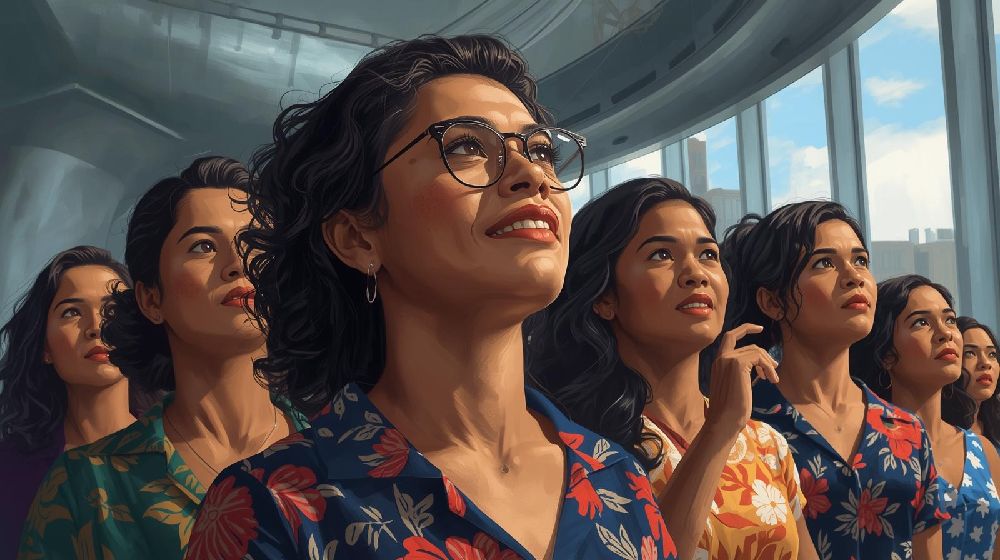
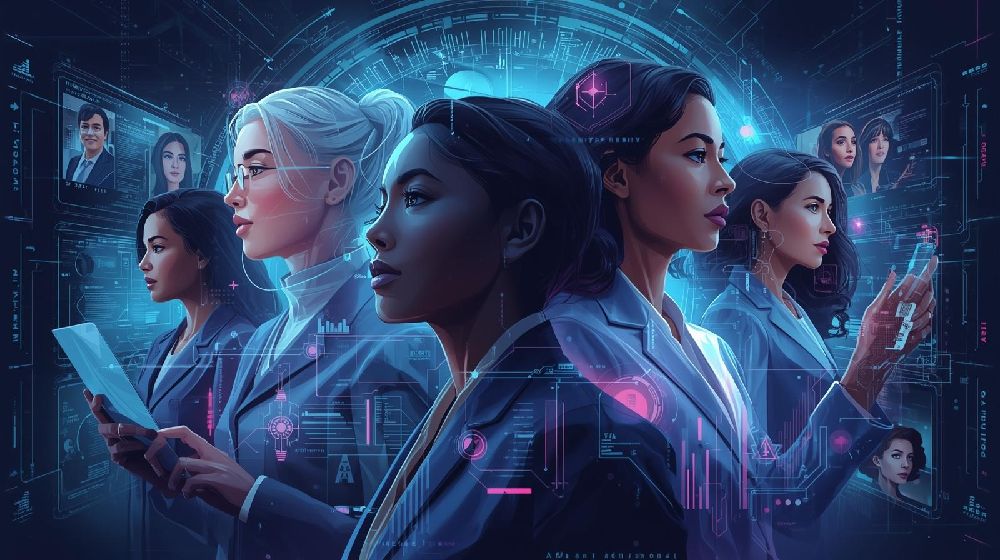
In today’s rapidly evolving digital landscape, technology is no longer just a tool—it’s a language of progress. And women are becoming fluent in it. The “Digital Feminine” represents a new era where women are not only participating in technology but redefining how it is designed, used, and understood. From artificial intelligence to robotics, women are weaving empathy, ethics, and inclusivity into the very fabric of innovation.

Breaking Barriers in a Male-Dominated Space

For decades, the fields of AI and technology have been dominated by male perspectives. But that narrative is changing. More women are entering tech careers, leading startups, and contributing to research that shapes how machines think and interact. This shift is not just about representation—it’s about rebalancing innovation.

When women design algorithms, they bring emotional intelligence, fairness, and inclusivity to systems that influence our world. As Dr. Sudha Choksi often emphasizes, “Technology must not only be smart—it must be humane. And women have the instinct to ensure it serves people, not just progress.”

The Feminine Approach to Innovation

What sets women apart in the digital world is their ability to merge logic with empathy. The feminine perspective in tech emphasizes collaboration over competition, intuition alongside intelligence, and purpose with performance. In AI ethics, user experience design, healthcare technology, and sustainable innovation, women are introducing a balance that transforms how technology connects with humanity.

From designing data systems that reduce bias to developing health-tech solutions that prioritize well-being, women are ensuring that the digital revolution reflects diversity and compassion.

Education and Empowerment in the Digital Age

Empowering women in technology starts with access—access to education, mentorship, and opportunity. Around the world, initiatives encouraging girls to learn coding, AI, and data science are unlocking potential that has long been overlooked. Dr. Choksi believes that “Digital literacy for women is not just about employment—it’s about empowerment. It allows them to create, lead, and innovate on equal ground.”

By supporting women’s education in STEM, societies can close the gender gap and foster a generation of innovators who will drive inclusive progress.

The Future Is Feminine and Digital

As AI becomes more integrated into daily life—from virtual assistants to automated decision-making—diverse voices are crucial to shaping its direction. Women’s involvement ensures that technology evolves with fairness, empathy, and human understanding.

The rise of the digital feminine is not just a trend—it’s a transformation. Women are no longer standing on the sidelines of innovation; they are writing the next chapter of it. As Dr. Sudha Choksi beautifully states, “When women lead in technology, the future becomes not only advanced—but awakened.”

Owning Your Voice: The Art of Assertive Communication for Women By Dr. Sudha Choksi


In a world that often teaches women to be polite rather than powerful, owning your voice becomes both an act of courage and a form of empowerment. Assertive communication is not about being aggressive—it’s about expressing your thoughts, needs, and boundaries with confidence and respect. It is the bridge between silence and strength, between being heard and being understood.

The Power of Voice in Empowerment

For centuries, women have been conditioned to accommodate, to soften their opinions, and to avoid confrontation. Yet, the voice is one of the most potent tools of transformation. When a woman speaks with clarity and conviction, she doesn’t just communicate—she influences change. Whether in the workplace, at home, or within society, assertive communication enables women to claim space without apology.

Understanding Assertiveness

Assertiveness lies in the balance between passivity and aggression. It’s the ability to stand firm without disrespecting others. An assertive woman says “No” without guilt, shares her ideas without fear, and listens to others without losing her stance. She does not shrink to fit expectations but expands to express her truth.

Dr. Sudha Choksi often emphasizes that true empowerment begins internally. “Your voice,” she says, “is the reflection of your self-worth. When you value your voice, the world begins to value your words.”

Practical Ways to Communicate Assertively

  1. Know Your Boundaries: Understand where you draw the line—personally and professionally—and express it calmly.

  2. Use ‘I’ Statements: Say, “I feel,” “I think,” “I believe” to own your emotions without placing blame.

  3. Maintain Positive Body Language: Eye contact, an upright posture, and a steady tone convey confidence beyond words.

  4. Practice Active Listening: Empowerment also comes from understanding others; assertiveness grows from empathy, not dominance.

  5. Speak Without Apology: Replace “I’m sorry” with “Thank you for understanding.” Small changes redefine communication.

Creating a Culture of Confidence

Assertive communication has a ripple effect. When one woman speaks with strength, she inspires others to do the same. From boardrooms to classrooms, this shift redefines what leadership looks like. Dr. Choksi believes that empowering women to speak up is not just about equality—it’s about evolution. Every confident voice builds a more balanced world.

Final Thoughts

Owning your voice is not a one-time act; it is a lifelong journey of self-belief. Assertiveness is the art of aligning your words with your worth. As Dr. Sudha Choksi often reminds, “When women speak with authenticity, they don’t just raise their voices—they raise the world.”

Breaking Barriers: How Women Are Redefining Leadership in the 21st Century By Dr. Sudha Choksi


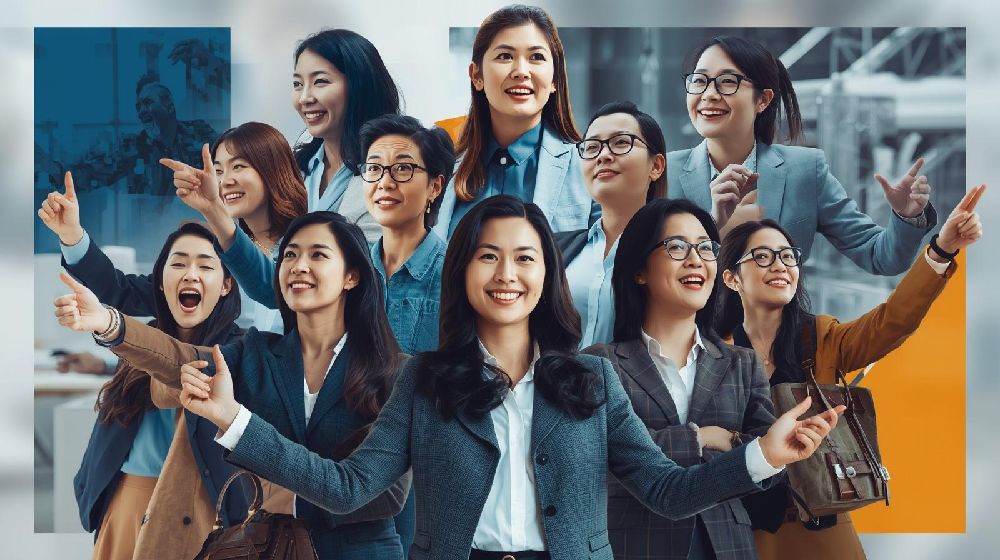
Leadership in the 21st century is no longer defined by authority — it’s defined by authenticity. And women across the world are leading this transformation with courage, empathy, and vision. From boardrooms and classrooms to laboratories and legislative halls, women are not just participating in leadership — they are reshaping what leadership truly means.


1. The Shift from Power to Purpose

For centuries, leadership was associated with dominance and control. But today, women are proving that leadership rooted in purpose, collaboration, and compassion can create greater impact. Whether it’s in business, healthcare, or social reform, women leaders are guiding teams with empathy, inclusivity, and emotional intelligence — traits once overlooked but now recognized as vital strengths.

As I’ve often said, true leadership is not about being in charge — it’s about being responsible for those in your charge. This philosophy drives a new era of women who lead with both strength and sensitivity, balancing strategic thinking with human connection.


2. Education and Empowerment: The Seeds of Change

Education remains the most powerful weapon in dismantling gender barriers. Across the world, more women are gaining access to higher education, technical skills, and leadership training than ever before. These women are stepping into roles that were once unimaginable — leading research projects, heading corporations, and driving policy change.

In India, we see young women emerging from every corner, eager to innovate, lead, and contribute. Empowering these women through education doesn’t just change individual lives — it transforms entire communities, sparking generational progress.


3. Redefining Strength: The Feminine Force in Leadership

Women leaders are introducing a new kind of strength — one that embraces empathy, resilience, and emotional balance. The world is beginning to recognize that compassion is not a weakness; it’s a superpower.

In my experience, women bring a holistic vision to leadership — they see beyond profit and policy, focusing instead on people and purpose. This shift is not just redefining leadership styles but also reshaping global success metrics. Today’s strongest leaders are those who inspire rather than impose, and women are leading that revolution.


4. Beyond Barriers: The Global Movement of Equality

The rise of women leaders isn’t confined to one nation — it’s a global movement. From political pioneers and social activists to CEOs and scientists, women are proving that leadership has no gender, only vision. Yet, challenges remain. Gender bias, unequal pay, and underrepresentation in decision-making roles still persist.

The answer lies in continued collective empowerment — where every woman who breaks a barrier opens the door wider for the next. Empowerment is never a solo journey; it’s a shared responsibility of society to create space for women to rise.


5. The Future Is Feminine — and Inclusive

As we step deeper into the 21st century, leadership is evolving into a balance of innovation and inclusion. Women are not asking for power — they are redefining power itself. Through collaboration, compassion, and conviction, they are building a more equal and empathetic world.

It is my belief that the next generation of women leaders will not just break barriers — they will erase them altogether, leaving behind a legacy where leadership is measured not by gender, but by integrity and impact.


In conclusion, women are not just rewriting the story of leadership; they are reshaping its entire language. Their voices, once confined to the margins, are now echoing across boardrooms, parliaments, and global platforms. And as each woman rises, she lights the way for countless others to follow.

Because when a woman leads, humanity moves forward.

Women in Politics: Redefining Leadership on a Global Scale By Dr. Sudha Choksi

#DrSudhaChoksi


The world today stands at a remarkable crossroads — one where women are not just participating in politics, but reshaping its very definition. From the corridors of parliaments to the grassroots of social movements, women are proving that leadership, when guided by empathy and equality, has the power to transform societies.

For generations, political leadership was viewed through a lens of dominance and hierarchy. Yet, women leaders across the globe are introducing a new kind of power — one that thrives on collaboration, compassion, and community welfare. They are not merely entering politics; they are redefining what it means to lead.


Breaking Barriers, Building Futures

Women have faced long-standing social and structural challenges in entering political spaces — from cultural stereotypes to unequal representation. However, every woman who steps into politics carries the collective strength of those who fought before her.

Their leadership is not just about policy-making; it’s about breaking ceilings and building bridges. Whether it’s advocating for gender-sensitive laws, environmental sustainability, or inclusive education, women in politics have consistently focused on issues that nurture societies rather than divide them.


Empathy as Strength

One of the most transformative qualities women bring to leadership is empathy. Where politics often emphasizes power, women leaders bring perspective — the ability to listen, understand, and unite.
Empathy-driven governance, as seen in countries led by women, often results in stronger healthcare systems, better education, and more equitable development policies. This shift from control to care is what makes the new era of female leadership so powerful.


A Call for Equal Representation

True democracy cannot exist without equal participation. Encouraging more women to enter politics isn’t just a matter of representation — it’s a matter of progress. By mentoring, educating, and supporting aspiring female leaders, societies can ensure a balanced voice in decision-making.

As Dr. Sudha Choksi believes, empowering women in leadership doesn’t just change the lives of women — it changes the future of nations. The inclusion of women in political spaces leads to more holistic governance, where both logic and compassion guide policy.


The Future is Feminine — and Fair

The rise of women in politics marks not only a milestone but a movement — a movement toward fairness, transparency, and human-centered leadership. The world is witnessing a quiet revolution where strength is measured not in power over others, but in the ability to uplift others.

Dr. Sudha Choksi continues to advocate for this evolution — where women lead with purpose, shape policy with vision, and redefine politics with humanity. Because when women lead, the world doesn’t just progress — it transforms.

Empowered to Shine: How Modern Jewelry Reflects the Spirit of Today’s Women


Jewelry has always been more than an accessory — it’s an expression. From the ancient queens who wore gold as a symbol of strength to today’s independent women who wear it as a mark of self-love, jewelry continues to tell powerful stories. In 2025, a new movement is redefining both fashion and feminism: jewelry as a form of empowerment.


1. From Adornment to Assertion

For centuries, jewelry was seen as a symbol of status or tradition. But in today’s world, it has evolved into something far more personal — a reflection of confidence, independence, and identity.
Women now choose jewelry not because they are expected to wear it, but because it represents who they are. A bold gold bangle, a minimalistic ring, or a sleek pair of earrings becomes a statement — “I define my own shine.”


2. The Rise of “Power Jewelry”

One of the hottest trends in jewelry today is Power Jewelry — designs that celebrate ambition, strength, and individuality.
From geometric gold bangles symbolizing balance and precision to infinity couple bands representing eternal partnership and equality, jewelry is being reimagined as a language of empowerment.
Brands are celebrating this shift by crafting collections that honor working women, entrepreneurs, artists, and dreamers — every woman who owns her journey.


3. Women Behind the Craft

Empowerment in jewelry isn’t just about who wears it — it’s also about who creates it.
Across the world, more women are stepping into roles as jewelry designers, entrepreneurs, and production leaders. They are mastering techniques once dominated by men, like CNC craftsmanship, laser welding, and metal artistry.
This new generation of female creators brings sensitivity, innovation, and emotion to every design — proving that jewelry is not just made for women but also powered by women.


4. Jewelry as a Celebration of Self

Every piece of jewelry carries emotion — a milestone, a memory, a dream. Today’s women buy jewelry for themselves to celebrate achievements, not just occasions.
A promotion, a new beginning, or even a personal victory — modern women are marking their moments with gold, diamonds, and design that mirror their strength.
This self-purchasing trend is a quiet revolution — redefining jewelry as a symbol of self-worth and self-celebration.


Conclusion

Jewelry has evolved from being a gift of love to being a statement of power. In this new era, every bangle, ring, and pendant becomes a reflection of resilience, creativity, and courage.
The modern woman doesn’t just wear jewelry — she embodies it. She is the sparkle, the craftsmanship, and the story all in one.

Because true empowerment doesn’t need to be spoken — sometimes, it simply shines.

Setting Boundaries Without Guilt: A Key to Female Empowerment

For generations, women have been taught — subtly and overtly — to be agreeable, self-sacrificing, and endlessly available. Saying "yes" was seen as kind, while saying "no" was often misunderstood as cold, selfish, or difficult.

Top 10 Career Tips for Ambitious Women

In today’s fast-paced and competitive world, ambitious women are rewriting the rules of success. But navigating the workplace as a driven woman comes with its own set of challenges—and opportunities. Whether you're climbing the corporate ladder, building a business, or just starting out, these 10 career tips will help you stay focused, fearless, and empowered.

Gender Equality in the Workplace: What Still Needs to Change

Gender Equality in the Workplace: What Still Needs to ChangeOver the past few decades, we’ve seen significant strides toward gender equality in the workplace. More women are earning degrees, taking leadership roles, and launching businesses than ever before. Yet, beneath the surface of progress, many persistent inequalities remain.

The Role of Feminism in Today’s World


. Understanding Modern Feminism

Feminism is about gender equality, not female superiority. It advocates for equal rights, opportunities, and representation for all genders while addressing issues like wage gaps, reproductive rights, and gender-based violence.

2. Gender Equality in Workplaces and Leadership

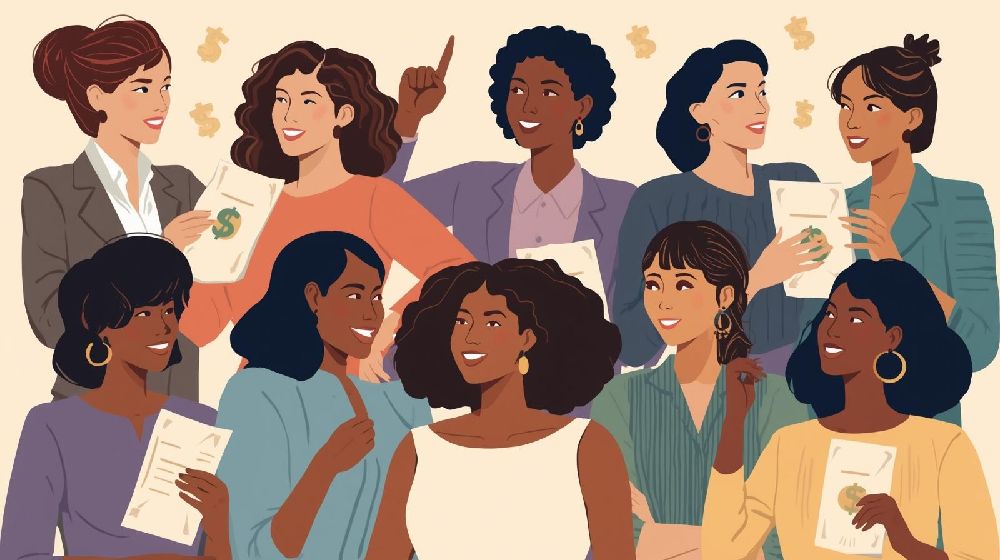
Women still face challenges like the pay gap and underrepresentation in leadership. Feminism pushes for equal pay, maternity benefits, and leadership opportunities, ensuring fair treatment in professional spaces.

3. Breaking Gender Stereotypes

Traditional gender roles limit both men and women. Feminism encourages people to pursue careers, hobbies, and lifestyles based on personal choices rather than societal expectations.

4. The Role of Digital Feminism

Social media has amplified feminist movements like #MeToo and #TimesUp, raising awareness about sexual harassment and workplace discrimination, leading to policy changes and accountability.

5. Intersectionality in Feminism

Feminism today is more inclusive, addressing issues related to race, class, LGBTQ+ rights, and disability, ensuring that marginalized groups are heard and represented.

6. Male Allyship in Feminism

Men play a crucial role in promoting gender equality by challenging toxic masculinity, supporting equal opportunities, and advocating against discrimination in workplaces and society.

7. Feminism and Legal Reforms

Feminist activism has led to better laws for domestic violence, sexual harassment, and reproductive rights, ensuring more legal protection for women and marginalized communities.

8. The Future of Feminism

Feminism continues to evolve, focusing on education, policy reforms, and cultural shifts to create a more equal world for future generations.

Equal Rights for Women: The Path to True Gender Equality

Introduction

Women’s rights are human rights. For centuries, women have fought for equality in education, employment, politics, and society. While progress has been made, gender inequality still exists in many areas of life. Achieving equal rights for women is essential for building a just, fair, and progressive society.