

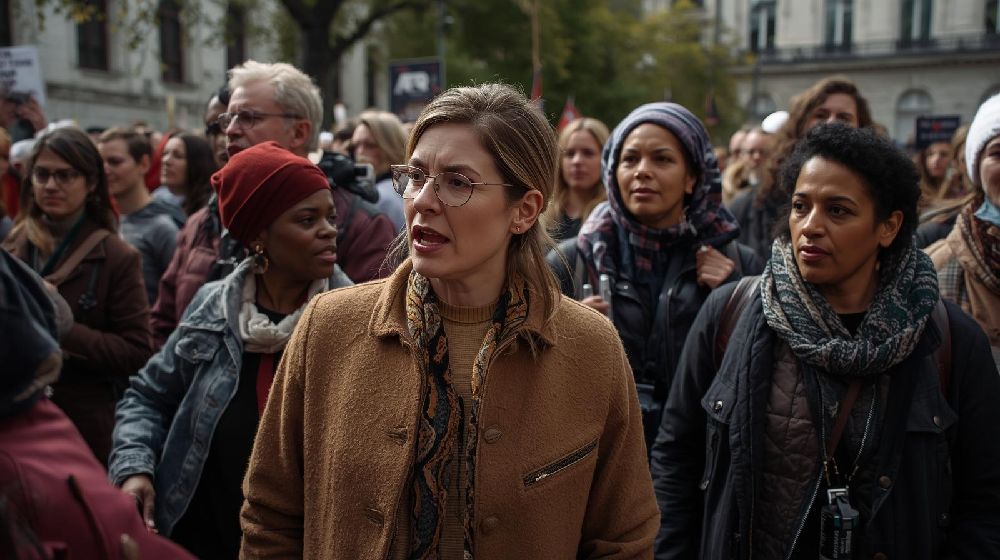
Throughout history, women have been at the forefront of social change—leading movements, challenging norms, and advocating for equality, justice, and human rights. Today, women’s leadership in social movements is more visible, influential, and transformative than ever, shaping communities and policy on a global scale.
Driving Change Through Leadership
Women bring unique perspectives and resilience to advocacy. From grassroots organizers to international leaders, women have been instrumental in highlighting social issues such as gender equality, climate justice, education, and healthcare. Their leadership emphasizes collaboration, inclusivity, and sustainable solutions that create lasting impact.
Grassroots Movements: The Power of Community
Many social movements begin at the community level. Women are often at the center—mobilizing neighbors, mentoring youth, and organizing initiatives that address local challenges. These efforts build strong foundations for larger advocacy campaigns, demonstrating that change begins with action in everyday life.
Advocacy on the Global Stage
Beyond local efforts, women are shaping policies, raising awareness, and influencing global agendas. From international conferences to digital platforms, female advocates are amplifying voices that might otherwise be unheard. Campaigns for education, reproductive rights, climate action, and social justice increasingly reflect women’s perspectives and priorities.
Harnessing Technology and Social Media
Women leverage technology and social media to organize, share stories, and inspire action. Digital platforms provide tools to mobilize supporters, raise funds, and engage communities across borders. Social media campaigns like #MeToo and #FridaysForFuture illustrate the power of women-driven advocacy in reaching global audiences.
Intersectional and Inclusive Approaches
Modern women’s movements emphasize intersectionality—recognizing how race, class, ethnicity, and disability intersect with gender. Inclusive advocacy ensures that solutions address the needs of all individuals, creating more equitable societies.
Inspiring the Next Generation
Women in social movements serve as role models, encouraging younger generations to take action, speak up, and believe in their ability to effect change. Mentorship, storytelling, and representation empower youth to join causes and continue the momentum for social justice.
Final Thoughts
Women are not just participants in social movements—they are drivers, innovators, and changemakers. By combining leadership, advocacy, and community engagement, they are reshaping global discourse and influencing the course of history.
In every corner of the world, women are proving that when voices unite, movements thrive, and societies transform.