

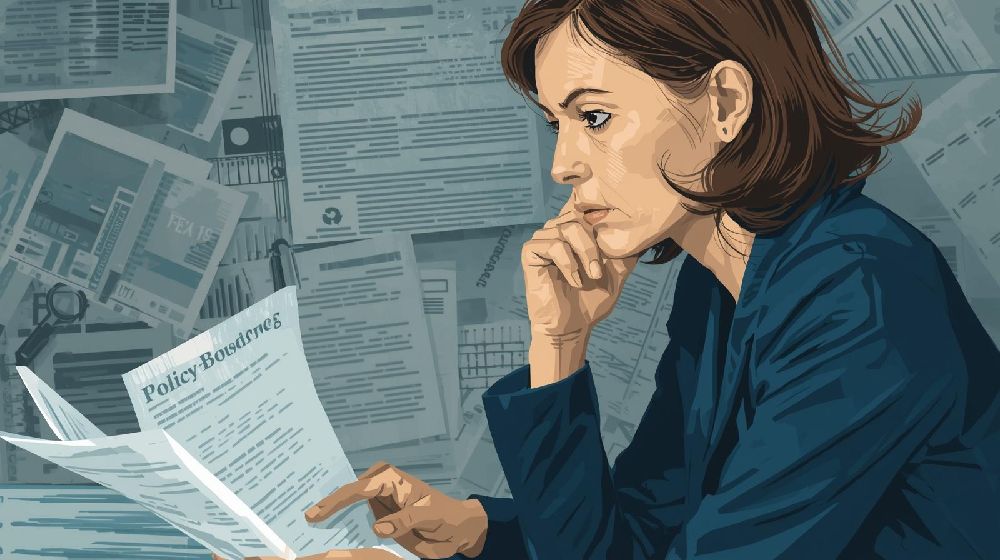
Public policy shapes how societies grow, govern, and protect their people. Yet for decades, many policies were designed using a one-size-fits-all approach—often overlooking the lived realities of women. Today, a growing global movement is reframing governance through a women-centered lens, recognizing that inclusive policy design leads to more equitable, resilient, and effective outcomes for everyone.
What Does a Women-Centered Policy Lens Mean?
Designing policy through a women-centered lens means intentionally considering how laws, regulations, and public programs affect women differently based on their roles, responsibilities, and social positioning. It goes beyond “adding women” as beneficiaries—it embeds gender analysis at every stage of policymaking.
This approach acknowledges factors such as:
Unequal access to education, healthcare, and financial resources
Disproportionate unpaid care and domestic work
Higher vulnerability to violence and economic instability
Structural barriers to leadership and decision-making
By addressing these realities, policies become more responsive and impactful.
Why Traditional Policy Design Falls Short
Many conventional policies assume equal access, equal mobility, and equal opportunity—assumptions that do not reflect reality. For example, employment policies may ignore childcare responsibilities, urban planning may overlook women’s safety, and financial policies may fail to consider gender gaps in asset ownership.
When policies ignore gendered experiences, they unintentionally reinforce inequality. A women-centered lens corrects this by asking a critical question: Who benefits, who is excluded, and why?
Women-Centered Policy Improves Social Outcomes
Research consistently shows that when women’s needs are addressed, broader social indicators improve. Policies that support women’s education, health, and economic participation lead to lower poverty rates, healthier families, and stronger economies.
Examples include:
Maternal health policies reducing infant mortality
Education access for girls increasing national productivity
Social protection programs improving household stability
When women thrive, communities thrive.
Economic Policy Through a Gender Lens
Women-centered economic policies focus on financial inclusion, fair wages, entrepreneurship, and asset ownership. Recognizing that women often work in informal sectors or unpaid roles, such policies aim to formalize labor, improve access to credit, and support women-led enterprises.
Budgeting processes that apply gender analysis—often called gender-responsive budgeting—ensure public spending benefits women equitably rather than unintentionally sidelining them.
Health, Safety, and Legal Frameworks
Women-centered policy design prioritizes reproductive health, mental well-being, workplace safety, and protection from violence. Legal frameworks that recognize gender-based violence, workplace harassment, and discrimination are essential for creating safe, participatory societies.
Equally important is access to justice. Policies must ensure that women are not only protected by law but can realistically exercise their rights without fear or financial burden.
Representation Matters in Policymaking
A women-centered lens is strongest when women are actively involved in policy creation. Representation in legislatures, advisory boards, and local governance leads to more nuanced and grounded policymaking.
When women contribute to decision-making, policies are more likely to reflect real-world needs rather than abstract assumptions.
Designing for Intersectionality
Women are not a monolithic group. Effective women-centered policy considers intersecting identities such as class, caste, race, disability, geography, and age. Rural women, working-class women, and marginalized communities face distinct challenges that require tailored solutions.
Intersectional design ensures that policies uplift those most at risk of being left behind.
The Future of Inclusive Governance
Policy design through a women-centered lens is not about favoritism—it is about fairness and effectiveness. Inclusive policies are better policies. As governments, institutions, and organizations increasingly adopt gender-responsive frameworks, they move closer to sustainable development and social justice.
Conclusion
A women-centered approach to policy design reshapes governance by grounding it in lived experience, equity, and long-term impact. By recognizing women not just as beneficiaries but as agents of change, societies can build policies that are more humane, resilient, and forward-looking—for women, and for everyone.