

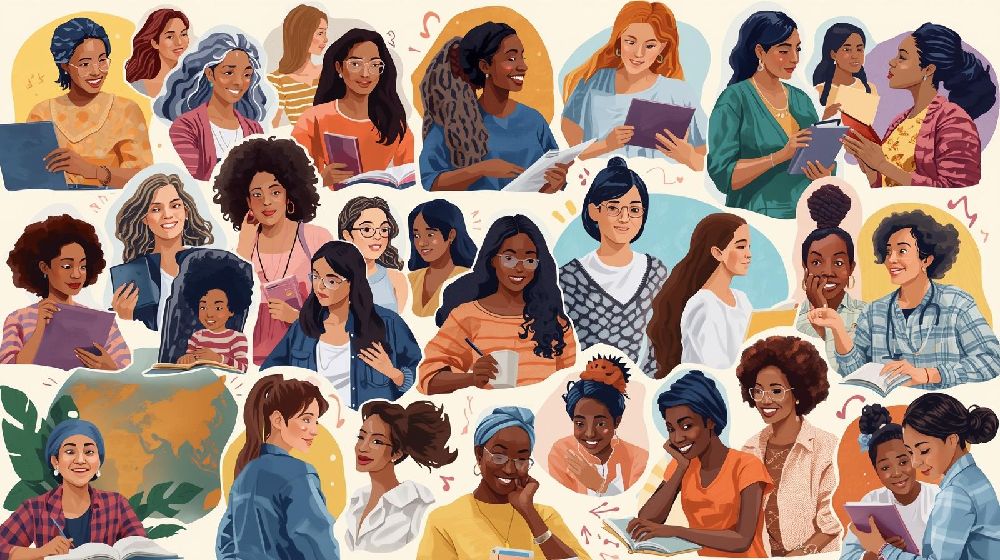
Education is one of the most powerful tools for transforming societies. Across the globe, it serves as a foundation for equality, independence, and opportunity. When women and girls gain access to quality education, the impact extends far beyond individual success—it strengthens families, communities, and entire nations.
Empowering women through education is not just a social goal; it is a pathway to sustainable development and global progress.
Education as a Pathway to Independence
For many women, education is the first step toward financial and personal independence. It equips them with:
Knowledge and critical thinking skills
Access to better employment opportunities
Confidence to make informed life decisions
Awareness of legal and social rights
When women are educated, they are more likely to enter the workforce, start businesses, and contribute meaningfully to economic growth.
Breaking the Cycle of Poverty
Education plays a crucial role in breaking generational poverty. Studies consistently show that educated women:
Earn higher incomes
Invest more in their children’s education
Improve family health and nutrition
Reduce child mortality rates
An educated mother is more likely to prioritize schooling for her children, creating a positive cycle that continues across generations.
Enhancing Decision-Making and Leadership
Education empowers women to participate actively in decision-making—at home, in workplaces, and in public life. When women have access to higher education and leadership training, they are better equipped to:
Advocate for community needs
Participate in political processes
Lead organizations and businesses
Influence policy reforms
Countries with higher levels of female education often experience stronger governance and social stability.
Promoting Gender Equality
Access to education challenges deeply rooted gender stereotypes. When girls attend school, they begin to see themselves as capable of achieving goals beyond traditional expectations.
Education helps:
Reduce early marriage rates
Prevent child labor
Combat gender-based violence
Encourage equal participation in society
Schools and universities become spaces where equality is practiced, discussed, and reinforced.
Economic Growth and National Development
Empowering women through education is directly linked to economic advancement. When women join the workforce in larger numbers:
Household incomes increase
Consumer markets expand
Innovation grows
National productivity rises
Global research shows that closing gender gaps in education and employment can significantly boost GDP in many countries.
Digital Education and Global Access
Technology is reshaping access to education worldwide. Online learning platforms, mobile education apps, and digital classrooms have made knowledge more accessible, especially in remote or underserved areas.
Digital education allows women to:
Learn from home
Acquire technical and entrepreneurial skills
Access global networks
Balance family responsibilities with studies
This flexibility is crucial in regions where traditional barriers limit classroom attendance.
Health and Well-Being Benefits
Education also improves women’s physical and mental health. Educated women are more likely to:
Understand healthcare information
Seek medical assistance when needed
Make informed reproductive choices
Maintain healthier lifestyles
Knowledge strengthens autonomy and helps women make decisions that protect their well-being.
Addressing Global Challenges
Despite progress, many challenges remain:
Limited access to schooling in rural areas
Economic constraints
Cultural barriers
Safety concerns
Lack of infrastructure
Governments, non-profit organizations, and global institutions continue working toward inclusive policies and equal access to education.
Investing in girls’ education remains one of the most effective strategies for long-term social change.
Education Beyond Academics
Empowerment through education is not limited to textbooks and degrees. It includes:
Financial literacy
Legal awareness
Digital skills
Leadership training
Emotional intelligence
Holistic education prepares women not just for employment but for confident and independent living.
The Ripple Effect of Educated Women
When a woman is educated, her empowerment influences:
Her family’s stability
Her community’s development
Her nation’s progress
Education creates ripple effects that uplift society as a whole. It transforms potential into achievement and challenges into opportunities.
The Way Forward
To truly empower women globally, efforts must focus on:
Equal access to primary and secondary education
Affordable higher education opportunities
Safe learning environments
Technology-driven learning solutions
Policies that promote lifelong education
Collaboration between governments, businesses, and communities is essential to create inclusive systems.
Final Thoughts
Education is more than a fundamental right—it is a catalyst for empowerment. When women are educated, they gain confidence, independence, and the ability to shape their futures.
Across the globe, investing in women’s education is investing in stronger economies, healthier societies, and more equitable communities. Empowered women build empowered nations.
In the journey toward global equality, education remains the strongest foundation.